
What Is a Showroom?
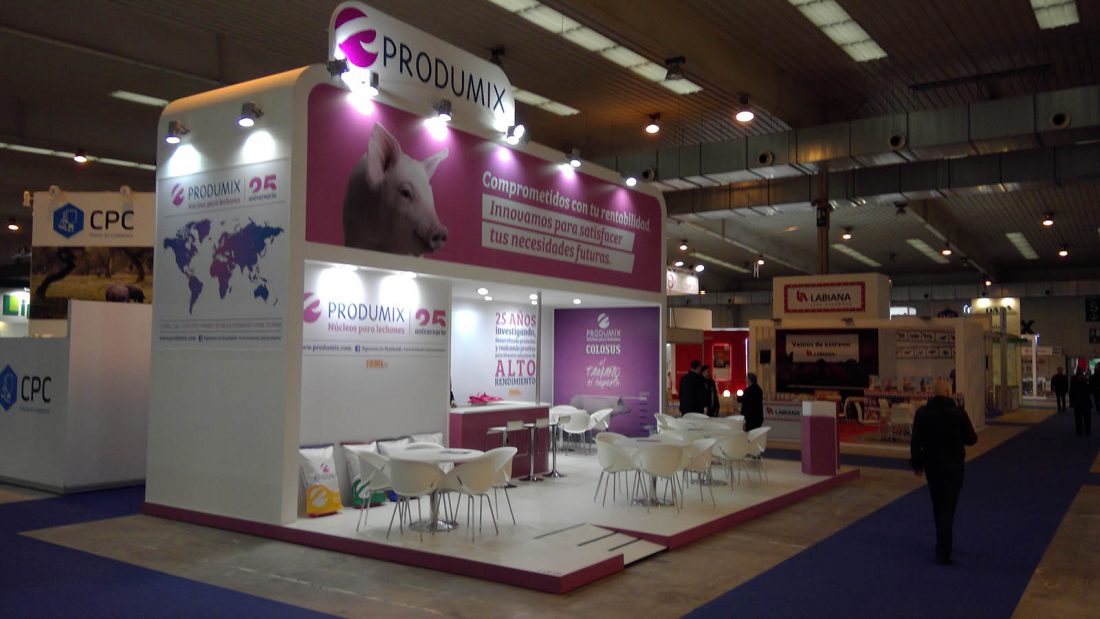
The word literally means “a room for showing”. The origins of this type of space can be traced back to the world of fashion and accessories, although nowadays a showroom can encompass virtually any field or theme.
In essence, it is a space designed for brands to present their creations outside of trade fairs or other dedicated events. It does not necessarily have to be a single room, but rather a space of variable size depending on what is being displayed; it can even be a complex venue with several rooms.
It also does not need to be dedicated to a single brand, as it can bring together several companies or different products, depending on a wide range of criteria.
But above all, it is a meeting point where contact with visitors or clients is much closer, more intimate and more exclusive. The idea is to attract buyers and customers — whether individuals or representatives of small and medium-sized companies — by creating a friendly, comfortable, almost homely atmosphere, where the intimacy of the commercial experience feels both pleasant and effective.
The installation of a showroom should be carried out with the same level of care as that of an exhibition stand. In this regard, this blog has already offered numerous tips, but in this case the following aspects should be emphasised in particular.
It is essential to carry out proper promotion of the event, for example through personalised invitations that should be sent well in advance, as well as through appropriate dissemination on social media.
Equally important is keeping a record of attendees, including their contact details, positive feedback and negative comments. This will allow us to understand what they liked and help us close post-event sales, as well as identify areas for improvement and innovation for future events.
An unexpected gift is always welcome — a small detail that enhances the intimacy of the experience. Finally, it is essential to demonstrate strong hosting skills, even more than in other types of events: monitoring temperature, humidity and lighting; offering snacks with options for common allergies or intolerances; and engaging with attendees while remaining attentive at all times.
The possibilities of a showroom are practically endless, and it is worth keeping an open mind and being creative when adapting new technologies, as well as all the resources offered by interior design, spatial design and marketing techniques, in order to create a shared experience that allows visitors to discover the products and innovations we have to offer.
From traditional showrooms dedicated to textiles to others that may initially seem more complex to implement, such as those focused on the automotive or wine industries, to name just a couple of examples, there is no sector that has not successfully explored this exclusive commercial strategy.
Are you ready to be next?